The Eleven Days Fort Marcy Has to Cover for the Whole City
Walk up to the pickleball courts on Bishops Lodge Road most mornings this month and you will hear them before you see them, that flat, plasticky thwack carrying over the parking lot from six-thirty on. What is different this particular stretch of August is who else is showing up behind the players: swimmers who usually drive across town to the Genoveva Chavez Community Center, weight room regulars who have never set foot in this corner of the Eastside before, parents looking for a gym with a working basketball hoop because their usual one just locked its doors for the season.
That is not a coincidence. It is a calendar collision, and if you live within walking distance of Fort Marcy Park, you are about to feel it.
The pickleball story here is the one most locals already half know. The city spent $1.2 million doubling the dedicated courts at Fort Marcy from six to twelve, breaking ground in November and finishing on May 2 last year, just in time for the Santa Fe Pickleball Club's annual Dinko de Mayo tournament, which drew more than 220 players. Club president Zane Fisher said crews "really hustled" to make that deadline. Before the expansion, longtime member Cindy Lawton described summer mornings with fifty to seventy people waiting their turn, stretching games into twenty and forty-five minute holds just to get on a court.
The doubling helped. It did not solve the problem. The club has grown from a handful of founders in 2019 to somewhere between 500 and 700 members today, and Fort Marcy remains the only city facility with dedicated, permanently netted pickleball courts, which makes it the default destination for a sport that is still adding players faster than New Mexico can pour concrete. Lawton put it simply when the new courts opened: it was "going to be absolutely amazing, that people will spend more time playing than waiting."
Here is the part that matters for the next eleven days specifically. Twelve courts absorb a Tuesday morning just fine. They do not absorb a Tuesday morning plus the overflow from a citywide facility closure.
The Genoveva Chavez Community Center closes every year for what the city calls annual deep cleaning, painting, maintenance and equipment repairs, and this year that closure runs August 22 through September 1, eleven days. The city's own recreation notice points displaced members toward three alternatives: Fort Marcy Recreation Center, Salvador Perez Recreation Center, and Bicentennial Pool.
For most of the Eastside, that is not really three options. Salvador Perez sits off South St. Francis Drive, a drive rather than a walk from downtown. Bicentennial Pool serves a different part of town entirely. Fort Marcy is the one inside the neighborhood, a few blocks northeast of the Plaza, which means it is the one that actually absorbs the foot traffic from people who live nearby and would rather not get in a car to swim laps or hit the weight room.
The trade is not neutral, either. Chavez offers an indoor track, an ice arena, a hot tub, and indoor pools under one roof. Fort Marcy's pool is a 25-yard, six-lane rectangle, serviceable but a fraction of the size. Swimmers who are used to spreading out at Chavez will be sharing lanes here for the full eleven days, and the gym that normally serves pickleball overflow, open weight room regulars, and the odd yoga class is about to serve all of that plus everyone Chavez usually holds.
Not everything converging on this corner is about crowding. A few minutes' walk from the courts, the paved switchbacks up to the Cross of the Martyrs climb roughly 0.6 mile from Paseo de Peralta, past twenty chronologically ordered plaques recounting Santa Fe's history back to 500 AD, to an overlook more than 7,000 feet up. It is free, it is open every day, and it is the spot locals already treat as an evening reset, not a tourist stop.
It is also about to get its one night a year of real ceremony. Fiesta de Santa Fe runs September 5 through 13 this year, its 314th edition, and tradition sends a candlelit procession from St. Francis Cathedral up to the Cross after a special Mass held sometime after Labor Day during Fiesta week, a practice the city traces back to the Cross's 1920 dedication, when it first became the center of annual Fiesta activities.
So the same eleven days that push swimmers and lifters into Fort Marcy's gym also sit right up against the one week when this quiet sunset walk becomes a procession route.
Just as Fiesta week wraps, the corner shifts again. Magers Field, the ballfield portion of Fort Marcy Park, hosts the 35th annual Santa Fe Wine and Chile Fiesta from September 22 through 27. For those six days, a field that spends most of the year hosting youth leagues and pickup games gets tented, staffed, and ticketed.
Lay the dates out together and the pattern is hard to miss:
| Dates | What changes at Fort Marcy Park |
|---|---|
| Aug 22 to Sept 1 | Chavez Center closed; swimmers, lifters, and gym regulars redirected here |
| Sept 5 to 13 | Fiesta de Santa Fe; candlelit procession climbs to the Cross after Labor Day Mass |
| Sept 22 to 27 | Wine and Chile Fiesta occupies Magers Field |
A little more than a month, and the same six or seven acres cycle through emergency overflow gym, procession route, and festival grounds. Most years, a resident would only notice one of those at a time. This year they stack.
None of this closes the park. The courts stay open, the gym stays open just with more people in it, and the walk to the Cross stays free and unticketed except for the one procession evening. What changes is timing. If lap swimming or the weight room is part of your routine, the next eleven days are worth showing up earlier or later than usual, since Fort Marcy's smaller footprint will be doing double duty for a facility built to hold far more people at once. If you like the sunset walk to the Cross without company, go before Fiesta week rather than during it. And if you are used to walking your dog past Magers Field on a quiet evening, late September is not that evening.
It is a small window, but it is the kind of detail that only shows up when you are watching the neighborhood's actual calendar rather than its brochure. Fort Marcy has always been more utility than amenity for the people who live around it. This particular stretch just asks it to be three utilities at once.
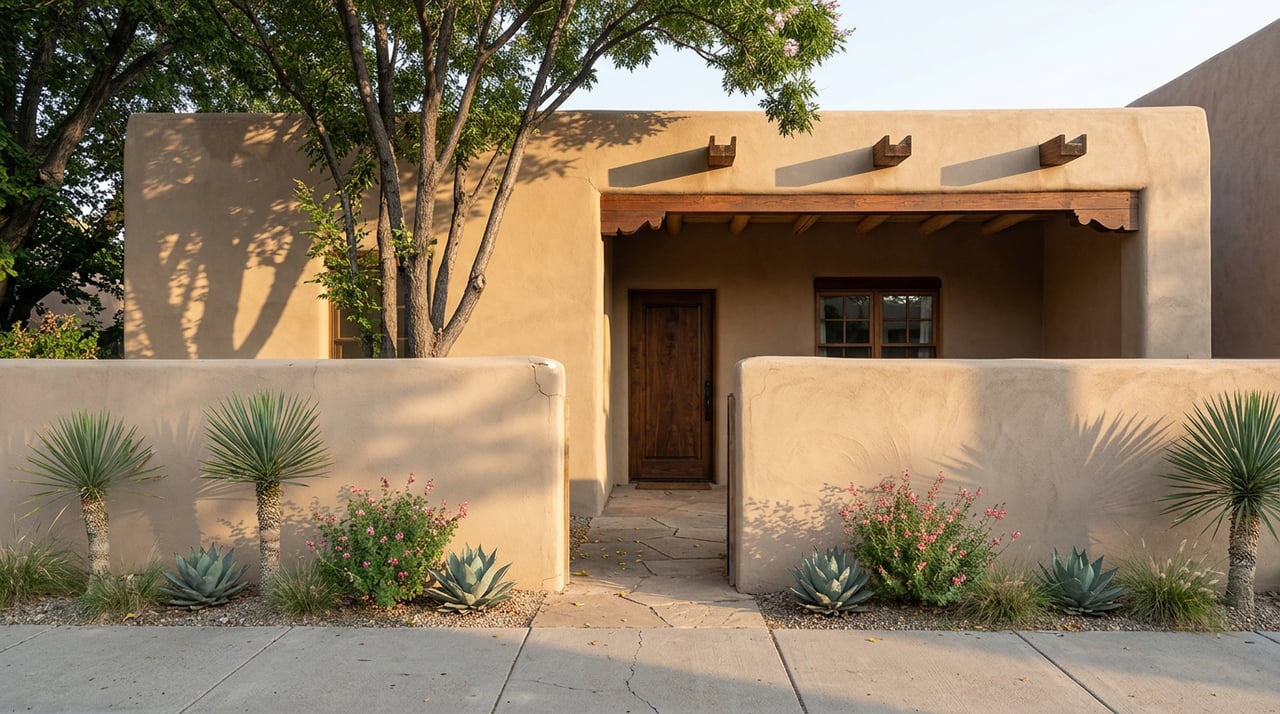
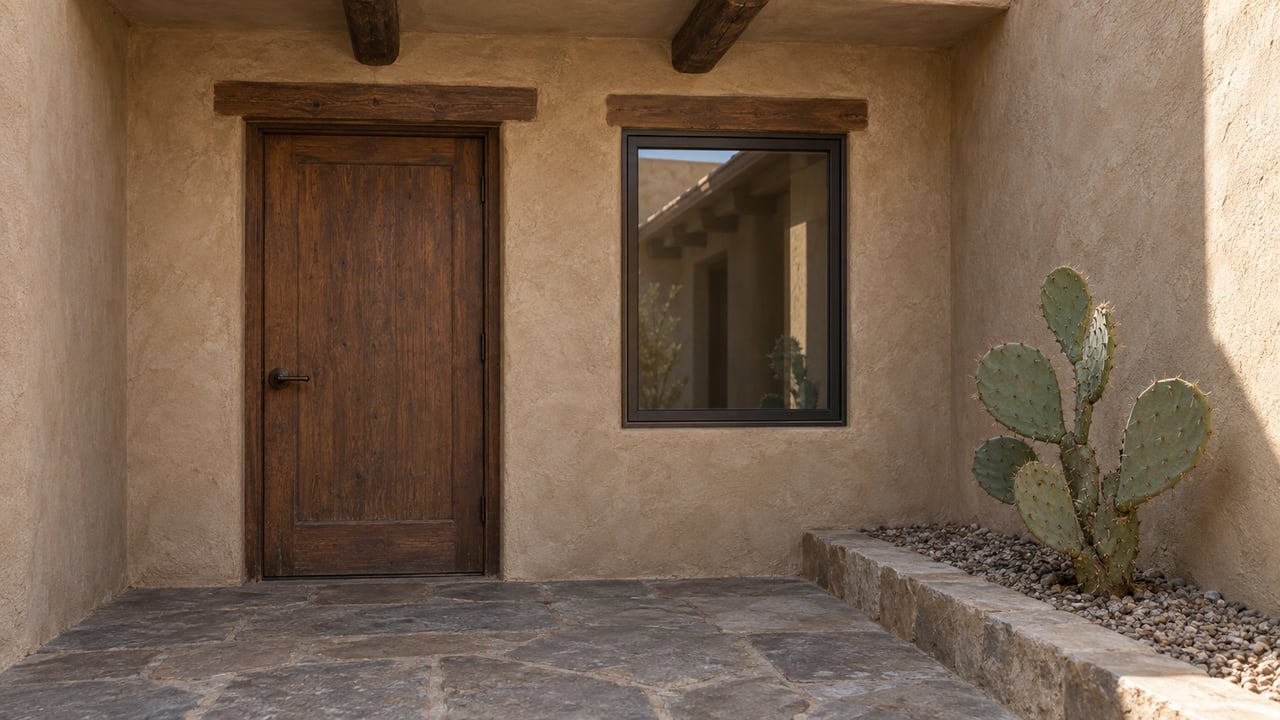
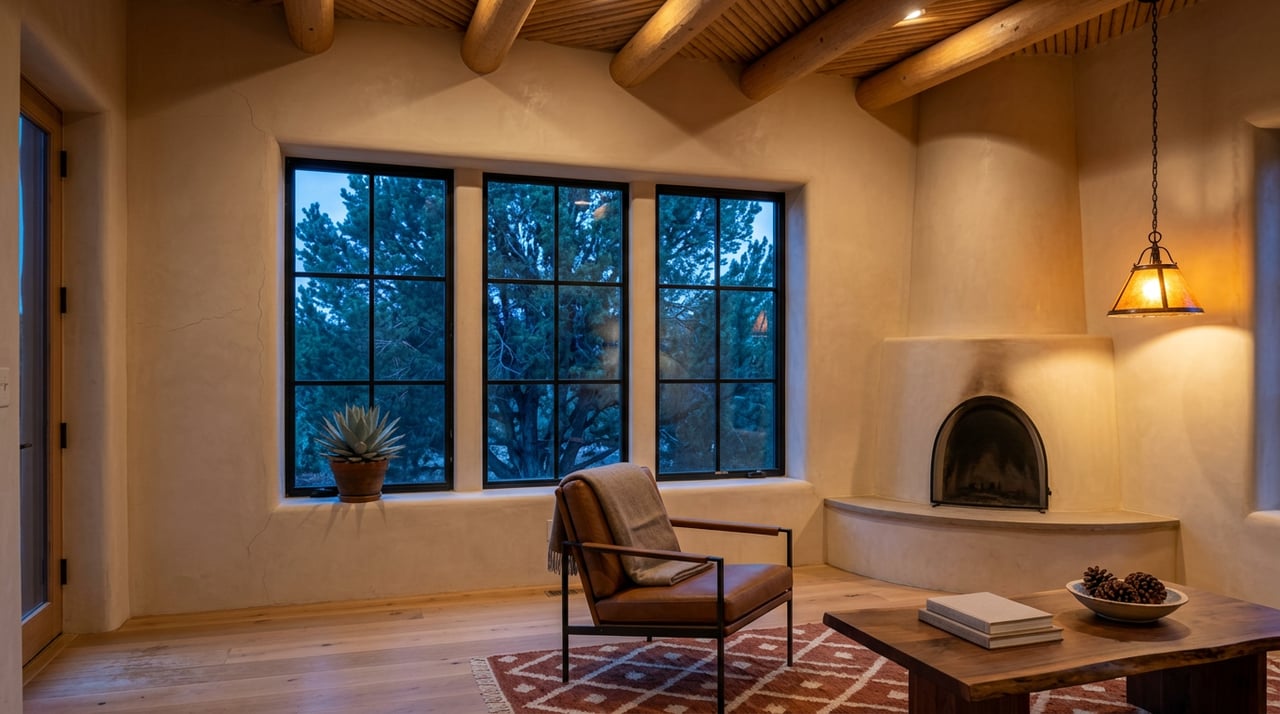
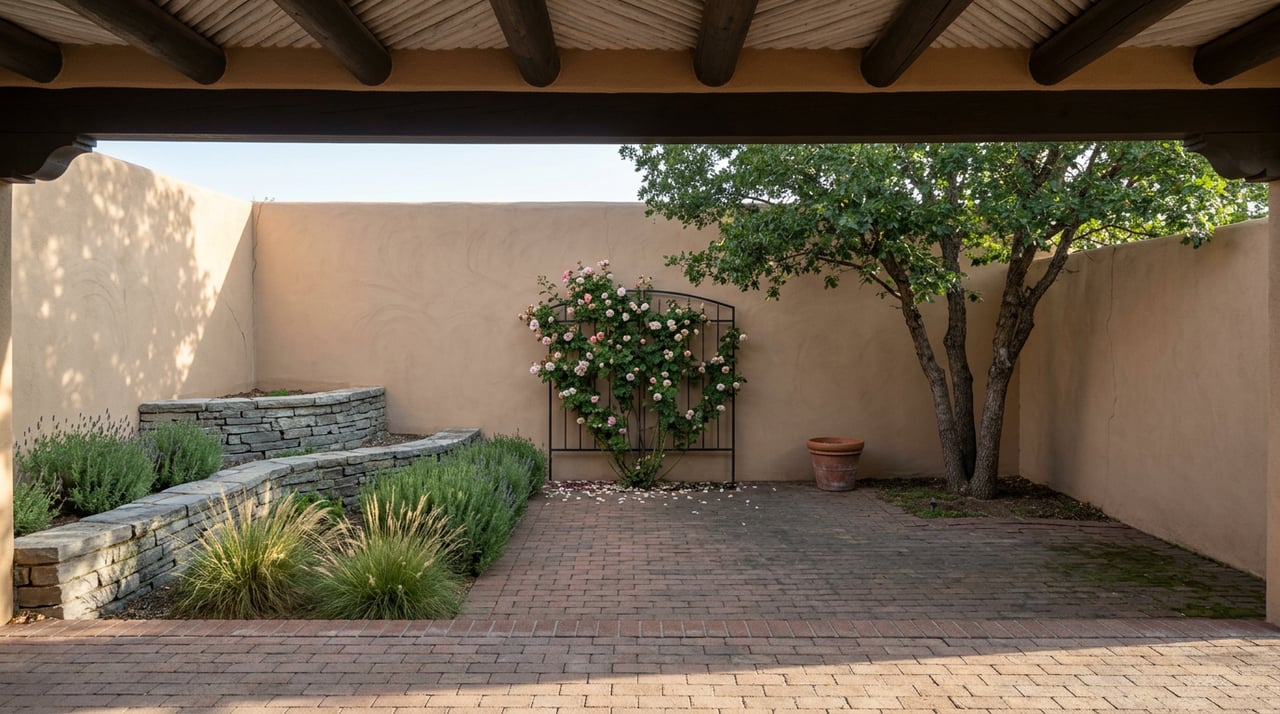
If you are curious about more than the park schedule, whether that is what a home near this corner of the Eastside actually looks like inside, or how walkable access to Fort Marcy and the Cross factors into value on these blocks, Robyn Tyra has spent more than three decades getting to know this neighborhood one season at a time. Let's Connect whenever you are ready to talk specifics.

Robyn Tyra is a seasoned real estate professional with more than 35 years of experience in both real estate sales and title insurance across Northern New Mexico. Deeply connected to the region’s rich history, diverse culture, and breathtaking landscapes, she takes pride in helping clients find their place to call home in Santa Fe and beyond. Known for her dedication to building lasting relationships, Robyn guides clients through every step of the buying or selling process with clear communication, integrity, and a seamless approach. Her greatest reward is seeing clients achieve their real estate goals while embracing the unique lifestyle that Northern New Mexico offers.
📍 123 E Marcy St., #101, Santa Fe, NM 87501
📞 (505) 982-0330


I have spent my career in Northern New Mexico in the real estate industry with over thirty five years in both real estate sales and title insurance. My commitment to you is to make the real estate process of buying and selling as seamless as possible through active communication and listening. We will work together every step of the way to reach your real estate goals.