Architecture And Home Styles In South Capitol Santa Fe
Wondering if South Capitol is all adobe? It is a common assumption, but this part of Santa Fe tells a more layered story. If you are drawn to character, walkability, and homes that feel rooted in place, understanding the neighborhood’s architecture can help you shop with more confidence. Let’s dive in.
South Capitol is closely tied to Santa Fe’s Don Gaspar District, which the City of Santa Fe identifies as part of the larger South Capitol neighborhood. Don Gaspar reflects railroad-era development from about 1890 to 1930, with a tight street grid that gives the area a more urban, in-town feel than a typical subdivision.
It is also one of Santa Fe’s five historic districts, which helps explain why the neighborhood feels so visually rich. Instead of one single look, you will find a blend of adobe, Pueblo Revival, Territorial, Victorian, Mission Revival, Craftsman-era forms, and bungalow influences woven into the same historic fabric.
For buyers, that variety matters. It means South Capitol can appeal whether you love classic Santa Fe style, prefer a bungalow with period charm, or want a house with visible history and room for thoughtful updates.
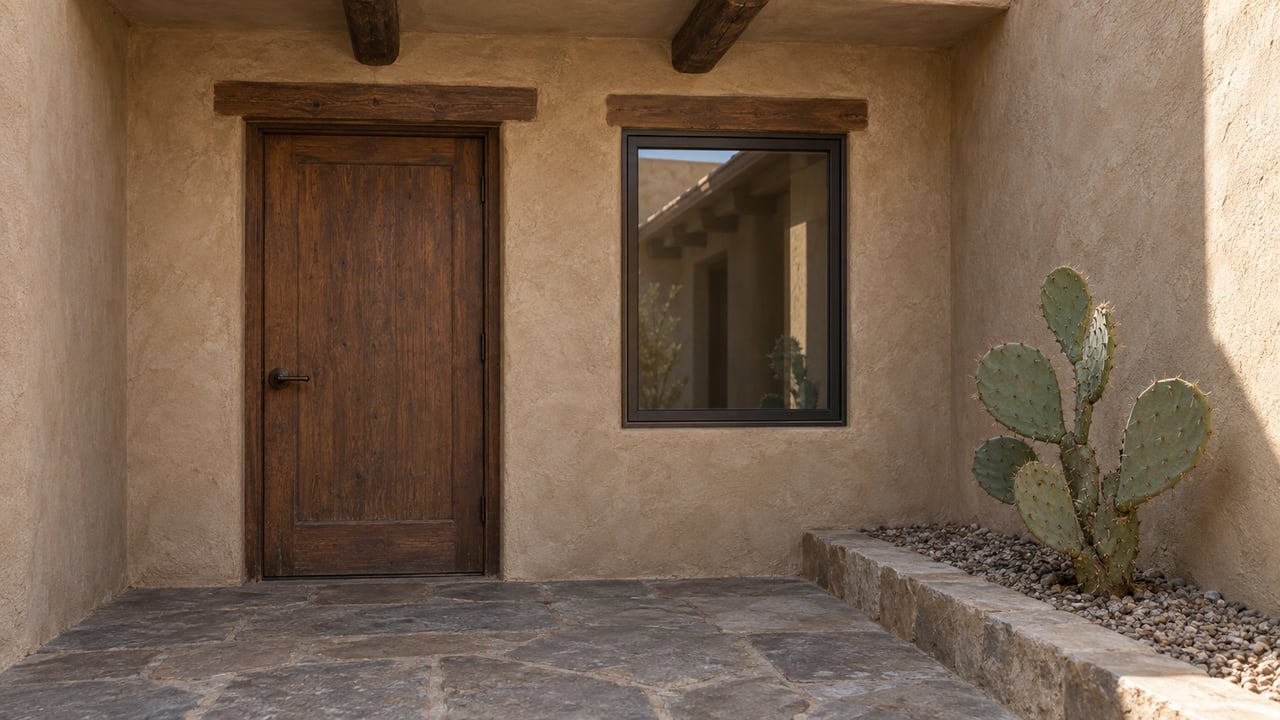
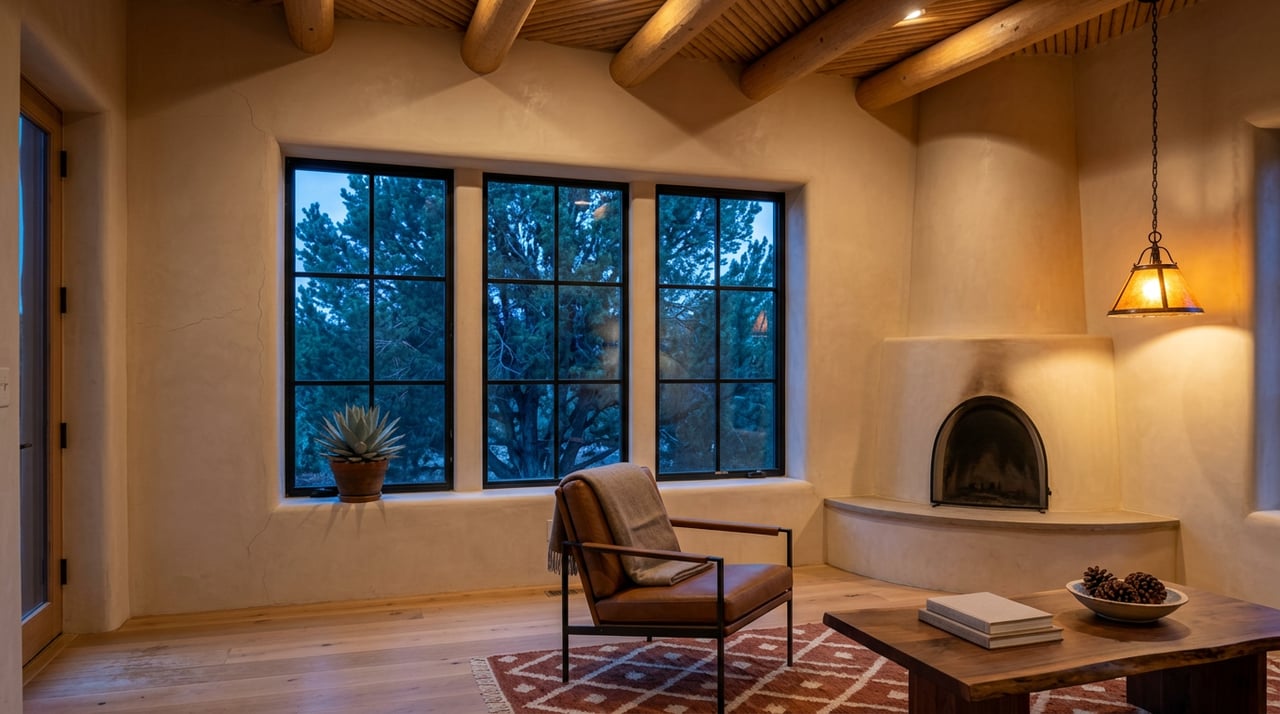
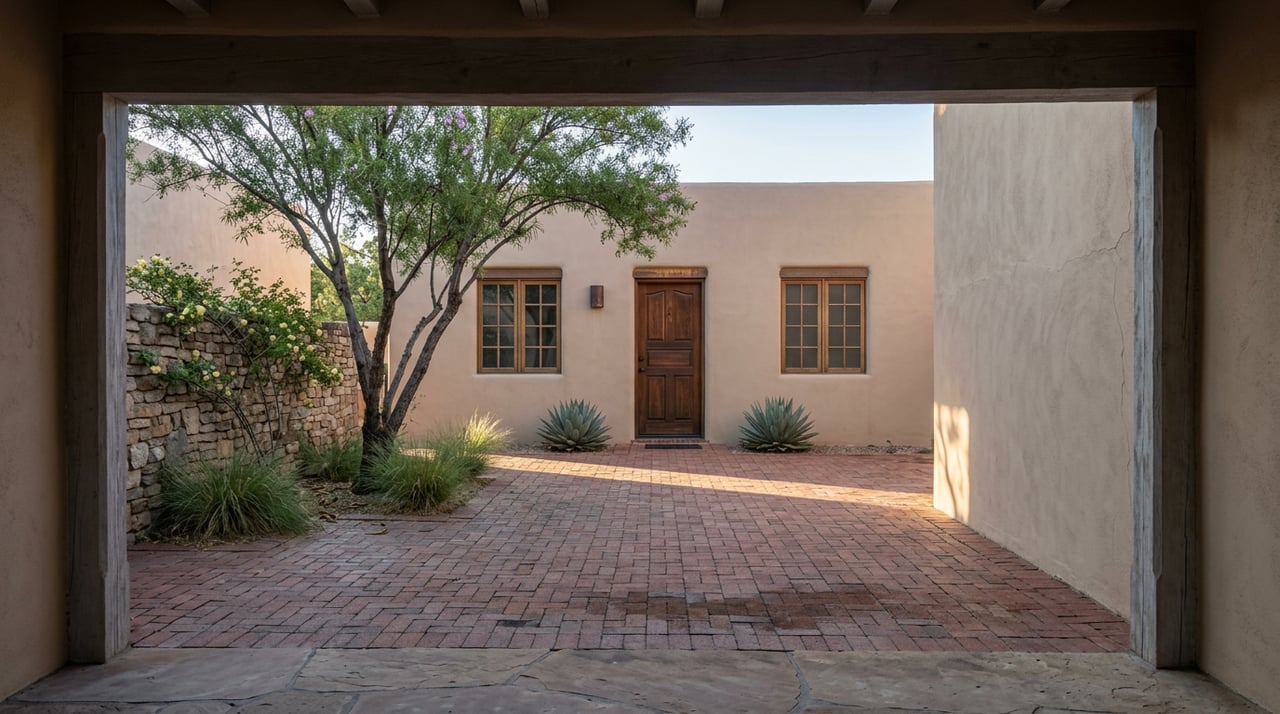
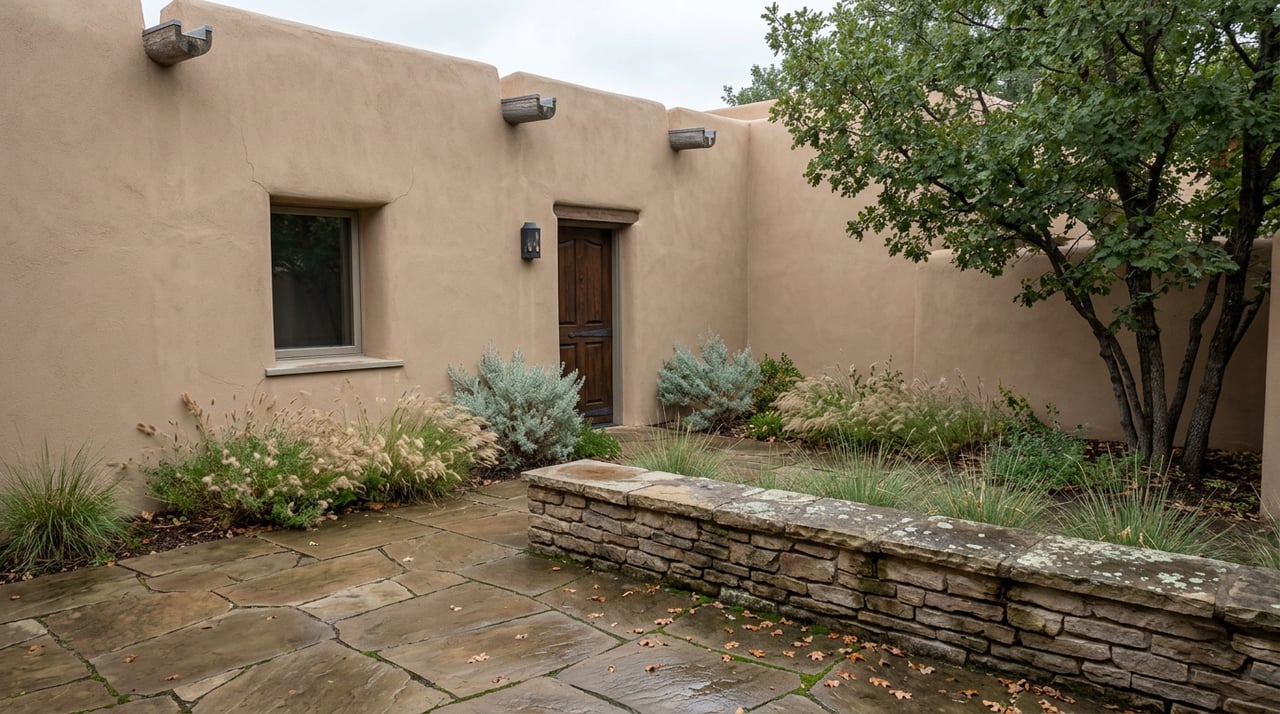
When most people picture Santa Fe architecture, they are usually thinking of adobe or Pueblo-inspired homes. In South Capitol, these properties often show the features people know best: low-slung forms, earth-toned walls, flat roofs, vigas, and outdoor spaces shaped by the home itself.
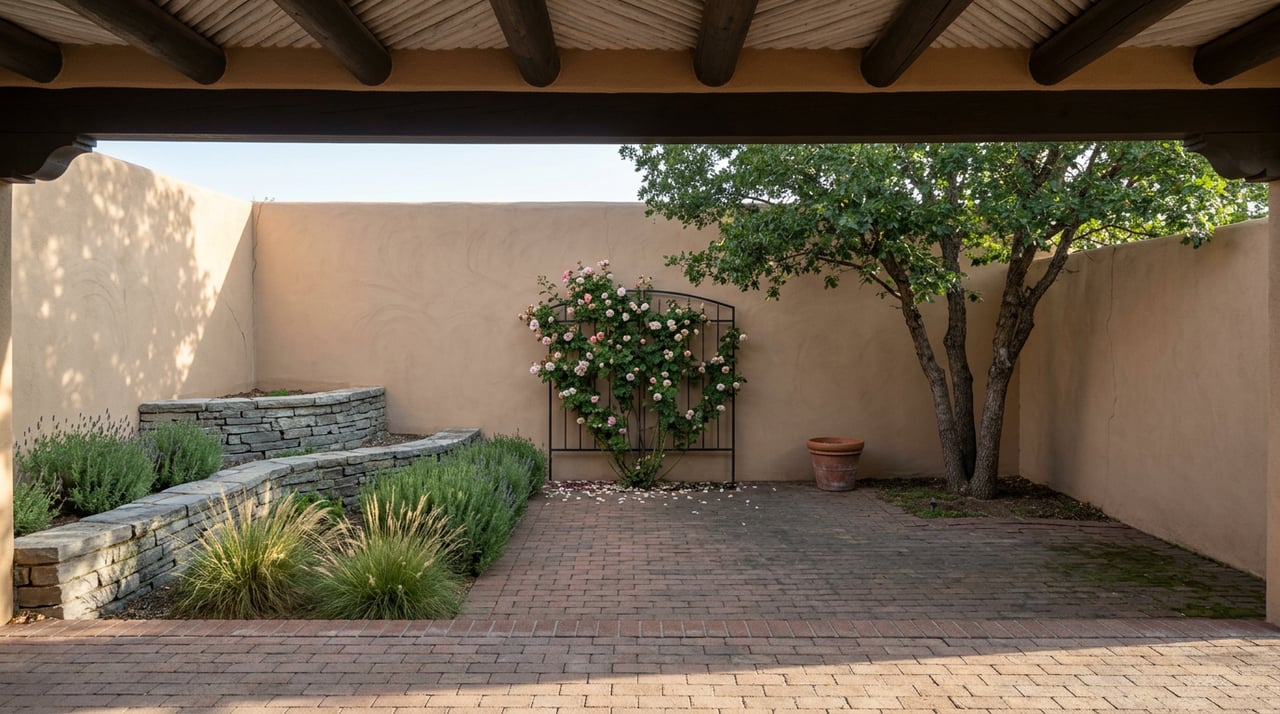
You may also notice portales, enclosed patios, and thick-looking walls that create a sense of shelter and privacy. In practical terms, these homes often feel connected to the outdoors in a very intentional way, with courtyards and walled spaces that serve as part of daily living.
Santa Fe’s building traditions also shape how these homes present from the street. The look is not just about color. It often comes from the massing, roofline, wall depth, and the relationship between interior rooms and outdoor areas.
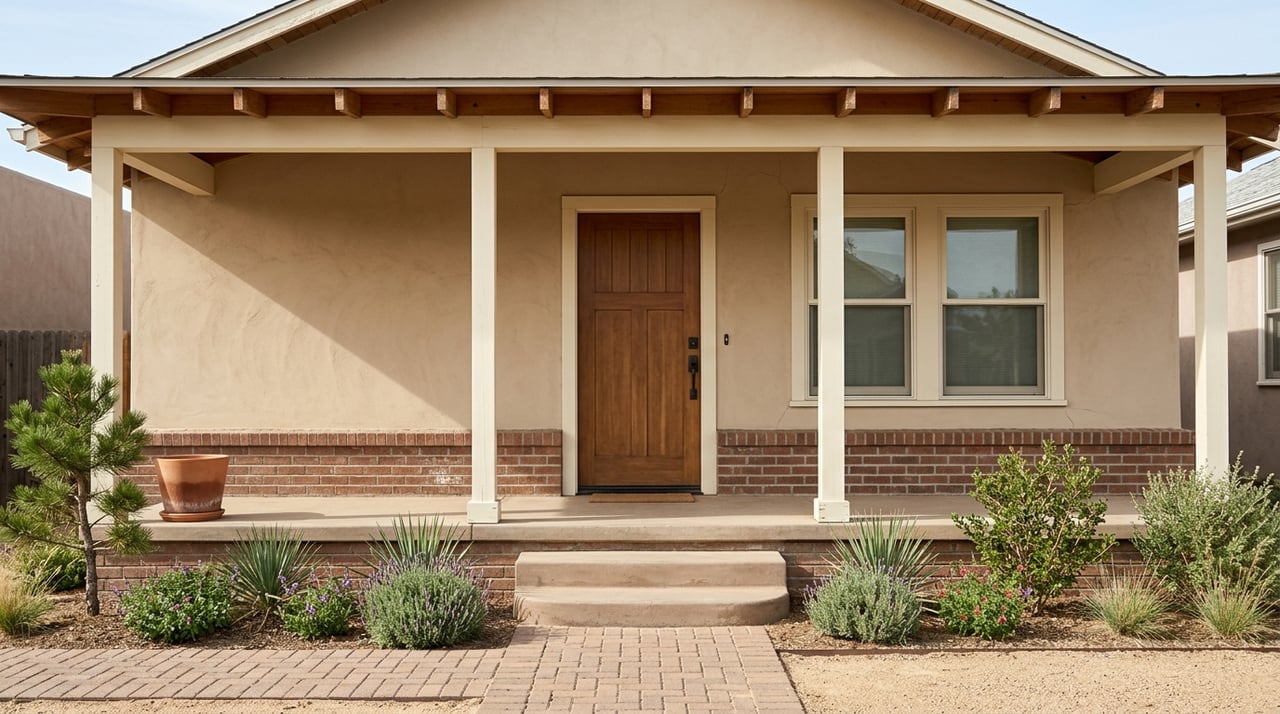
Territorial homes bring a different expression of Santa Fe style. While they still fit the local architectural story, they often include details like brick copings, white columns, pitched roofs, and divided-sash windows.
That mix can feel a bit more linear and trimmed than a purely Pueblo-style home. In South Capitol, Territorial details may show up on full homes or as accents blended into other historic forms, which adds to the neighborhood’s visual range.
If you are comparing homes, this is one reason two properties in the same area can feel very different. One may lean earthy and sculptural, while another feels more formal or structured even within the same historic setting.
One of the most interesting parts of South Capitol’s story is how strongly bungalow-era homes show up in the neighborhood. The Don Gaspar historic record notes that bungalows are central to the area’s identity, especially Spanish-Pueblo Revival bungalows and related Mission and Territorial Revival bungalows.
These homes often combine bungalow planning with Santa Fe detailing. You might see a compact rectangular layout, a front porch, modest scale, stuccoed walls, flat roofs with parapets, projecting vigas, canales, and lintels.
That combination gives buyers something special. You get the approachable scale and livability associated with bungalow design, but with materials and details that feel unmistakably Santa Fe.
Not every bungalow in South Capitol looks the same. Some houses show more Craftsman or transitional character, including hip roofs, gables, exposed rafters, and wood porch posts.
The historic record also documents brick bungalows and stuccoed brick homes, which reflect the way early-20th-century national trends were adapted to local materials and proportions. If you appreciate architecture, this is part of what makes the neighborhood so appealing.
You are not looking at a streetscape of copy-and-paste houses. You are seeing a neighborhood that evolved over time, with each era leaving behind its own details.
Brick also plays an important role in South Capitol’s architecture. Railroad-era development brought in manufactured materials and new influences, and that shift shows up in the neighborhood’s homes.
In some cases, brick appears as the main exterior material. In others, it shows up in coping, porches, chimneys, trim, or structural details that complement stucco or adobe-inspired finishes.
This matters because many buyers arrive expecting a uniform adobe landscape. In reality, South Capitol offers more variety, and that variety is part of its charm.
Some of the older streets, especially around Galisteo, preserve a more irregular pattern. Here, you may find zero setbacks, thick adobe walls, attached structures, and compound-like site arrangements that feel distinctly older than the neighborhood’s later grid-based development.
The historic record also notes that many older adobe homes were remodeled and expanded over time. That helps explain why a house may look historically consistent from the street but contain additions or layout changes from later decades.
For you as a buyer, that can create both opportunity and complexity. A home may offer unique spatial character and renovation potential, but it may also require closer review of prior work, materials, and approvals.
If you are touring homes in South Capitol, certain features come up again and again. These details help define the neighborhood’s character across multiple home styles.
These are not just decorative elements. They shape how the homes live, how they frame outdoor space, and how they relate to the street.
Architecture in South Capitol is not only about appearance. It also affects how the neighborhood feels to live in.
Tourism sources describe South Capitol as being within walking distance of downtown and the Plaza, and Santa Fe preservation materials describe downtown as pedestrian-oriented. Paired with the neighborhood’s tight street grid, that supports an in-town lifestyle that many buyers actively seek.
Outdoor space is another major part of the experience. Rather than broad open lawns, many homes feature courtyards, walled yards, and sheltered outdoor rooms. Those spaces can feel private, usable, and deeply tied to Santa Fe’s architectural traditions.
If you love the idea of updating an older home, South Capitol can offer meaningful potential. At the same time, the historic context matters.
The City of Santa Fe Historic Preservation Division requires an application for modifications within the city’s historic districts. Some minor work may be handled through staff approvals, while more complex changes can go before the Historic Districts Review Board.
The city also limits height in historic districts and generally expects publicly visible facades to retain an adobe or stucco appearance, with roofs maintained or replaced in kind. That does not mean remodeling is off the table. It means exterior work is more regulated, especially when it is visible from the street.
If you are considering a South Capitol home with additions or planned improvements, it helps to look closely at a few items early in the process.
This is where local guidance can make a real difference. A charming home can be a wonderful fit, but the details matter more here than they might in a newer neighborhood.
South Capitol stands out because it offers more than one version of Santa Fe style. You can find adobe character, Pueblo and Territorial cues, bungalow-era charm, brick detailing, and homes that show the neighborhood’s evolution over decades.
That layered identity gives the area broad appeal. Some buyers want a courtyard-centered adobe feel. Others want a compact bungalow near the in-town core. Still others are looking for a property with history, personality, and the possibility of thoughtful updates.
If that sounds like you, South Capitol is worth studying block by block. Small architectural differences can have a big impact on lifestyle, maintenance, and long-term fit.
If you want help understanding South Capitol’s home styles, renovation considerations, or the feel of different blocks, Robyn Tyra offers the kind of local guidance that can make your search clearer and more confident.
Robyn Tyra is a seasoned real estate professional with more than 35 years of experience in both real estate sales and title insurance across Northern New Mexico. Deeply connected to the region’s rich history, diverse culture, and breathtaking landscapes, she takes pride in helping clients find their place to call home in Santa Fe and beyond. Known for her dedication to building lasting relationships, Robyn guides clients through every step of the buying or selling process with clear communication, integrity, and a seamless approach. Her greatest reward is seeing clients achieve their real estate goals while embracing the unique lifestyle that Northern New Mexico offers.
📍 123 E Marcy St., #101, Santa Fe, NM 87501
📞 (505) 982-0330


I have spent my career in Northern New Mexico in the real estate industry with over thirty five years in both real estate sales and title insurance. My commitment to you is to make the real estate process of buying and selling as seamless as possible through active communication and listening. We will work together every step of the way to reach your real estate goals.